

Book Printing
We handle a wide range of printing projects, including hardcover and paperback books, coffee table books, diaries, magazines, journals, annual financial reports, brochures, catalogs, textbooks, and thesis documents. Explore our printing capabilities here.
Why Choose Us?
Rich Experience
Heyu Printing Co. Ltd. is a professional printing company with over 20 years of experience in the industry.
Reliable Product Quality
We use state-of-the-art printing equipment and superior quality materials to ensure that our products are of the highest standards.
Professional Technical Team
Our experienced team of designers, printers, and technicians work closely with our clients to ensure that their printing needs are met exactly as they require.
Excellent Customer Service
Our company values customer satisfaction above all else and ensures that all products are delivered on time and in perfect condition.


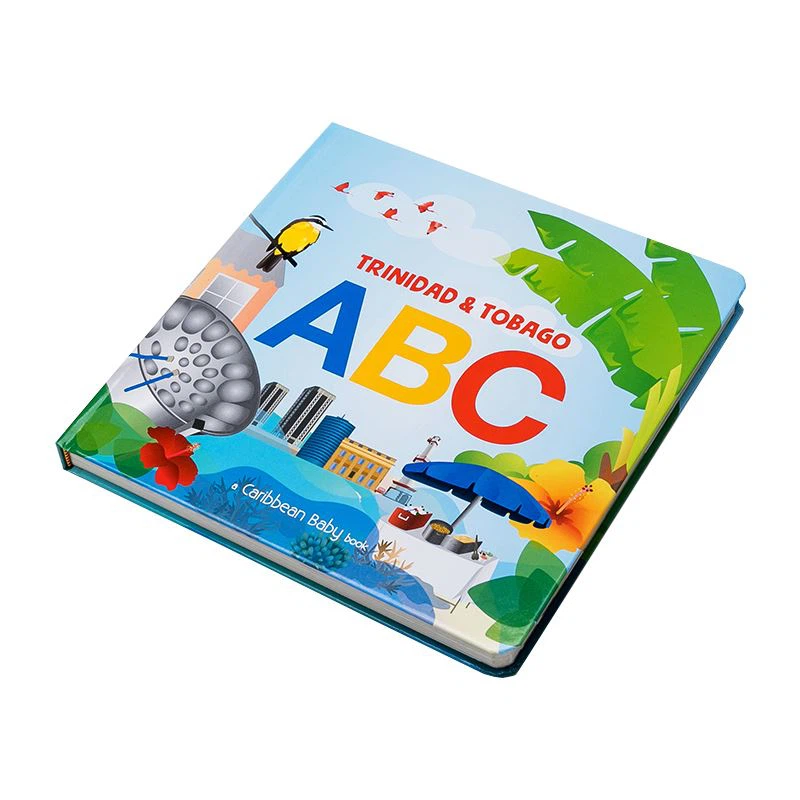
What is Book Printing?
Book printing is the process of transferring written content from an author or publisher to a publication form. There are four main steps in the book printing process: pre-press, press, post-press, and binding. The pre-press stage ensures that all the pages are in order, including any necessary design changes or corrections.
Advantages of Book Printing
Create a high-quality finished product
A book printing service will print your book to a high standard, ensuring that the finished product is of the highest quality. This is important if you want your book to be taken seriously and to make a good impression on potential readers. Book printing services usually achieve this by using advanced printers that enable them to offer various printing techniques. In addition, book printing companies have experts who will advise on the best materials and methods for printing your book.
They are cost effective
The cost of printing a book can be prohibitive if you try to do it yourself or use an amateur service. However, professional book printing companies have the experience and resources to print your book at a fraction of the cost. This is because they use high-quality materials and state-of-the-art equipment, which results in a lower price per book. In addition, they usually offer discounts for larger print runs. So, it's worth considering using a printing service if you plan to print a large number of books.
They offer a wide range of services
Professional book printing services offer more than just printing. They can also help with the design and layout of your book, as well as provide advice on marketing and distribution. This means you can get all the help you need to self-publish your book without having to pay for separate services. Moreover, many book printing companies offer an online ordering system, which makes it easy to get your books printed and delivered to your door.
Quick turnaround time
When you use a professional book printing service, you can be sure that your books will be printed quickly and efficiently. This is crucial if you have a deadline to meet or want to get your book on the market as soon as possible.
They offer peace of mind
When you use a professional book printing service, you can be sure that your book will be printed to the highest possible standard. This means you can relax and focus on writing your book, safe in the knowledge that it will be published to a high standard. In addition, you will know that your book is being handled by experts who will ensure that it is printed correctly. If you are thinking of self-publishing a book, we recommend using a professional book printing service.
Types of Book Printing
Offset printing has been the dominant method for printing books for over a century. This analogue printing method first creates metal plates of the content to be printed. The plates are loaded onto the printing press and inked. The ink is offset from these plates onto a rubber blanket cylinder before being passed onto paper fed through the press in large volumes. Offset printing results in high print quality and is suitable for large print runs of hundreds or thousands of copies. However, it requires significant upfront investment in plates and setup. Changing the content also means creating new plates, adding time and costs.
In digital printing, content is fed straight from a digital file to the printing device. Ink, toner, or dye is applied directly to the paper without the use of intervening plates or cylinders. This makes digital printing more suitable for smaller print runs as there is no extra setup cost or time. Digital prints have historically lagged behind offset in print quality, but modern digital presses can now match offset quality while supporting variable data printing. The ability to efficiently print customised or personalised content is a key advantage of digital printing.
Print-on-demand (POD) takes digital printing a step further by only printing books as and when orders are received. This eliminates the risk of unsold stock and the need to forecast demand. Print-on-demand enabled online portals like Amazon allow users to order even a single printed copy of a book. POD is facilitated by digital printing technology and helps reduce waste. However, per-unit printing costs tend to be higher compared to offset printing. For very small print runs, POD is an on-demand lifesaver.
Web printing refers to a new generation of cloud-based printing platforms that connect authors and publishers directly with printing presses around the world. Services like Imprint allow users to upload book content online and receive printed samples or even full print runs shipped to their door without upfront investment. Web printing platforms automate the pre-print processes of typesetting, file conversions, and colour proofing. Authors can print and deliver their books through an easy online workflow.
How Does Book Printing Work?
1. Design
This is the first stage of book printing and is very important – after all, the design stage is where you create the blueprint of how every element of your book will be brought to life. During this stage, the author will work with the editor and printer to determine the overall design concept, as well as:
Page size and style
Typeface size and style
The type and weight of paper for the text and cover
Use of color
Representation of visuals/illustrations in the text, if needed
Cover art/illustrations
2. Typesetting
The next step in the book printing process is typesetting. The typesetting process will go as follows:
First, if the copy has not been digitalized onto a computer, the text must be typed into the computer by a typesetter
Then, the manuscript must be converted into the proper font and size.
Once it’s thoroughly proofread for accuracy, the book is ready for the next step.
3. Pages and Mechanical
After thorough proofreading and editing, pages, also known as lasers, are created in the following order:
The precise layout of the typeset pages is printed on standard typing paper.
The pages are proofread by the publisher.
Once edited, the typesetter creates a mechanical of the typeset pages, printing the text onto high-quality paper that is acceptable for filming, the next stage of the process.
4. Filming
During the filming process of book printing, printers will adhere to the following steps:
The mechanical is photographed in order to create page negatives, showing the opposite of what the final result will print.
The vendor will check the negatives to ensure no errors appear on the negatives
Printed words are created in one shade of black. Photographs, however, can consist of many different shades. Printers convert the shades into black and white dots, resulting in a converted photo also known as a halftone. An additional negative is created for each color of ink used in the book. If a book consists of colored photos, four negatives are typically produced for cyan, magenta, yellow and black. As a result, books printed with more than one color tend to have a costlier production cost.
5. Stripping
For the stripping process, printers will do the following:
The negatives will be stripped, or taped, into the intended place on a flat, which is a large sheet.
Each flat, which holds 32 or 64 pages, are examined to make sure that all of the text and pictures are in alignment with each other. However, book pages are not lined up in the order that they will be in the final product. In fact, some pages may even be upside down. This is because the finished product will require the pages to be folded several times. Once folded, the alignment during the stripping process will end up being configured into the intended order.
6. Blueprints
The blueprinting process helps ensure that the book printing is going well at this point into the process. To do this, printers:
Create a proof of each flat by flashing an ultraviolet light through the negatives. This exposes the images and text from the flat onto a light-sensitive paper called blueprints.
The publisher will then proofread the blueprints.
If a mistake is found, the page with the error will be rephotographed and re-stripped
7. Platemaking
The next step of the book printing process is platemaking, which consists of these few steps:
Once each blueprint is approved, the printer will take a photo of each flat and the negatives will be melded onto a plate, which is a thin sheet of aluminum.
Plate sections that are filled with text or pictures are coated with a chemical that attracts ink. This will allow the text and illustrations to print on the press later on.
8. Printing
During this stage, the plates are brought to the press. Books that are being printed in only one color will only need to pass through the press once. However, if the book is being printing in more than one color, the plates will need to pass through an extra time per color.
9. Binding
Binding is the last step of the book printing process and starts once the sheets are dry after printing. The binding process is usually automated and includes:
Folding and collating the flats into 32 or 64 page sections.
Folding pages are bounded in the correct order.
Sewing together the signatures, gluing the spine, and trimming the edges (This depends on whether the book is paperback or hard back and the size of the book).
Placing the book in a cover.
Key Takeaways On The Evolution Of Book Printing
Evolution of Book Printing Technologies
From Gutenberg's press to modern digital methods, the evolution of book printing has been marked by advancements, offering increased efficiency and flexibility.
Types of Book Printing
Offset printing, dominant for a century, contrasts with digital printing, allowing for cost-effective smaller print runs, while print-on-demand and web printing redefine on-demand publishing.
Advantages of Offset Printing
Offset delivers high-quality prints for large runs, but its setup costs and time constraints make it less feasible for smaller quantities or time-sensitive projects.
Digital Printing's Customization
Modern digital presses support variable data printing, facilitating efficient customization and personalization of content within a single print run, a significant advantage over traditional offset printing.
Print-on-Demand Efficiency
Print-on-demand minimises waste by printing books as orders are received, eliminating the need for large upfront investments and reducing per-unit printing costs for very small print runs.
Web Printing Platforms
Cloud-based web printing platforms, streamline the entire printing process, from typesetting to shipping, providing an easy online workflow for authors and publishers.
Globalisation and Localised Printing
Cloud printing networks enable localised prints worldwide, reducing shipping costs and making multi-location printing simple, contributing to a more sustainable and cost-effective book printing industry.
Types of Papers Used in Custom Book Printing
Coated Paper
Gloss Art Paper:It gives a perfectly shiny and reflective surface and a polished look.
Matte Art Paper:Has a non-reflective surface yet offers an elegant look.
Uncoated Paper
Smooth Paper:Suitable for novels and heavy textbooks as it offers a smooth and crisp finish.
Textured Paper:Suitable for books with a rustic feel and art books.
Offset Paper:It is often used for printing in black and white, is reasonably priced, and is suitable for books with a lot of text.
Speciality Paper
Recycled Paper:Made from 60-100% recycled pulp and it’s a great choice if you’re conscious about the planet.
Photographic Paper:Offers top-quality images and color reproduction. Suitable for photo albums
Synthetic Paper:It is both water and rip-resistant. Best used for outdoor books because of its durability.
Book Printing with Which Type of Binding?
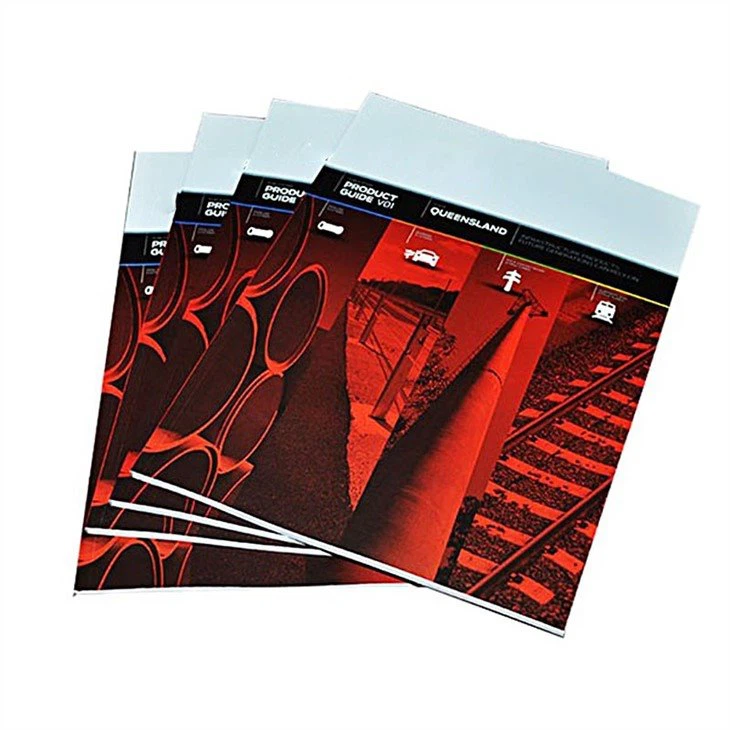
Not only the binding is crucial for the book printing, but you should also consider in which way you want to print thehave the inside boundwant. Whether plain, flat open or long lasting: Here again it depends on what kind of book you are equipping. The most common method is perfect binding. Whether it's for mystery novels, travel guides or non-fiction, perfect binding is ideal for titles with a large number of pages and is also inexpensive. Thread stitching, on the other hand, is a particularly high-quality and stable method. It is durable and books bound in this way can be opened flat without falling shut again. This binding is especially used for cookbooks, picture books or photo books. Staple binding or ring binding are more suitable for books with a small number of pages, i.e. for brochures or booklets.
Factors for Selecting the Perfect Paper Type for Book Printing and Binding
1. Content and Genre
Paper selection for book printing is influenced by content and genre. For books with a lot of text, choose offset paper; for art books, matte art paper enhances the graphics; and for novels, glossy art paper gives a more sophisticated appearance. A seamless reading experience is ensured when paper and content are in sync.
2. Plan Your Budget
When choosing paper and binding options for book printing, consider your budget. Make decisions based on what you can afford to ensure cost-effectiveness while maintaining the required standards of quality and aesthetics.
3. Print Technology
Select paper that is compatible with the device being used for printing. The final print quality is influenced by factors such as ink absorption, drying time, and general compatibility, all of which add to a smooth and effective printing process.
4. Target Audience
Customize your book’s material and binding decisions to your target audience’s tastes. When writing a book, take into consideration factors like readability, visual appeal, and tactile experience to make sure your target audience finds it interesting and engaging as well.
5. Determine the Book Format and Size
Choose a paper that suits best the book’s size and format in terms of both aesthetics and functionality. Make sure the paper you choose fits well with the design so the finished product looks cohesive and elegant.
6. Pick Your Binding Styles
Select binding styles that match your book’s purpose and appear. The book’s durability and overall aesthetic appeal can be affected by choices like saddle stitch binding for a cost-effective alternative or perfect binding for a neat, glossy look. Choose a binding style that enhances the reader’s experience and matches your project’s goals.
7. Durability of the Print
When printing, take a look at the surroundings and the paper’s durability for frequent use. Choosing a book with durable paper will ensure that it endures creases and dents, extending its life and enhancing reader pleasure.
8. Printing Quantity
Analyze the necessary printing volume to determine the best approach. For larger runs, traditional offset printing is more affordable; however, print-on-demand services, which minimize extra inventory and offer flexibility, are better suited for smaller volumes. Decide the approach that best fits your distribution plan and the overall objectives of the project.
9. Print Proofing
To evaluate color accuracy and paper interaction, request print proofs. Before the book is printed, physical proofs are examined to make sure the paper type selection matches the design features and lives up to expectations.
How to Choose the Right Book Printing Service
First, Determine Your Requirements
Before diving into the sea of printing services, clarify your specific needs. Consider aspects such as the book’s format, size, color options, and the number of copies required. Understanding your requirements will help you narrow down your choices and find a printing service that can accommodate your unique needs.
Second, Seek Quality and Expertise
The quality of the final product should be a top priority. Look for a digital printing service that has a reputation for delivering high-quality books and a flawless track record. Examine samples of their previous work to assess the paper quality, binding techniques, and overall print finish. It’s also essential to choose a service that specializes in book printing rather than general printing, as their expertise will ensure a superior result.
Third, Research Printing Techniques
Different printing techniques produce varying results. Two popular options for book printing are offset printing and digital printing. While offset printing may be ideal for large print runs (greater than 2,500 copies), providing excellent color accuracy and sharpness, digital printing has recently pulled ahead as a preferred printing choice, thanks to its overall cost-effectiveness and flexibility for smaller print quantities.
Fourth, The Pros and Cons of Customization
If you have specific design requirements or wish to add special features to your book, ensure that your digital printer offers customization options. This could include foil stamping, embossing, spot varnishing, or other finishing techniques that enhance the book’s aesthetics. However, custom elements come at additional cost and may add time to the manufacturing process. Discuss these options with the printing service to determine what makes most sense for your book.
Fifth, Find a Printer that Works with Your Budget
Budget is a crucial consideration for any project. Obtain detailed quotes from multiple printing services to compare prices. While it’s tempting to choose the cheapest option, remember that quality should not be compromised. Balance the costs with the desired quality level to find a printing service that offers reasonable prices without compromising on the end product.
Sixth, Speed Up Your Success
Consider the printing service’s turnaround time, especially if you have a specific deadline in mind. Timely delivery is crucial, so inquire about their production schedule and estimated delivery time. Be aware that rush orders may incur additional costs, so plan your project timeline accordingly.
Seventh, Insist on Stellar Customer Support
Clear and open communication with the printing service is essential throughout the printing process. Ensure your printer has responsive and knowledgeable customer support to address any queries or concerns you may have. A reliable printing service will keep you updated on the progress of your project, provide proofs for approval, and be readily available to discuss any modifications or adjustments that may be required.
Our Certifications


Our Factory
Heyu Printing Co. Ltd. is a professional printing company with over 20 years of experience in the industry. Our company is committed to providing high-quality printing services at competitive prices. We specialize in printing a range of products, including books, brochures, gift box, catalogues, business cards, and provide all the packaging solution. At Heyu Printing Co. Ltd., we use state-of-the-art printing equipment and superior quality materials to ensure that our products are of the highest standards. Our experienced team of designers, printers, and technicians work closely with our clients to ensure that their printing needs are met exactly as they require.

Ultimate FAQ Guide to Book Printing
We're professional book printing manufacturers and suppliers in China, specialized in providing high quality customized products. We warmly welcome you to buy bulk book printing for sale here from our factory. Contact us for free sample.
novel printing paper, landscape booklet printing, hardback printing