


Paper Feeding and Delivery System Faults
Insufficient suction nozzle pressure, worn paper separators, or improper adjustment of the paper feeding table height can cause paper missing, double feeding or skewing; abnormal paper moisture content, foreign objects in the paper feeding channel, or uneven pressure of the paper pressing rollers are prone to paper jams; loose delivery chains, worn sprockets, or faults in the lifting mechanism of the paper delivery table will lead to irregular stacking of printed products, making continuous paper delivery impossible and seriously reducing production efficiency.
Transmission System Faults
When transmission components such as gears, chains and belts are worn, loose or poorly meshed, the equipment will produce obvious abnormal noise or body vibration during operation; loose motor couplings, frequency converter faults or slipping transmission belts will cause unstable printing speed and even power transmission interruption; if the transmission bearings are insufficiently lubricated or foreign objects get stuck in the gear gaps, it will also lead to the seizure of transmission components and force an emergency shutdown of the equipment.
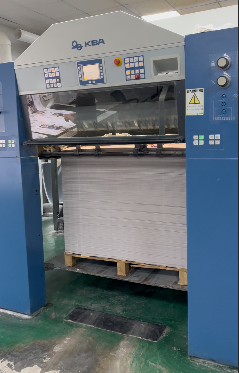
Roller System Faults
When the roller bearings are worn or the clearance is too large, abnormal noise or axial runout will occur during rotation, damaging the stable operation of the equipment; foreign objects entering the roller gaps will cause scratches and coating peeling on the roller surface, which not only affects the printing accuracy, but also increases the operation load of the equipment due to increased friction resistance; faults in the clutch pressure cylinders or solenoid valves will prevent the rollers from normal pressure printing or separation shutdown, directly interrupting the production process.
Lubrication System Faults
Clogged filters or lubrication pump faults will cause oil circuit blockage or insufficient lubricating oil supply, resulting in ineffective lubrication of moving components such as bearings and gears; using lubricating oil with mismatched viscosity will increase the operation resistance of components and cause severe overheating; oil leakage caused by broken oil pipes or aging seals will not only waste consumables, but also contaminate printed products and equipment components, leading to secondary faults.
Auxiliary System Interlocking Faults
Burnt drying fan motors or jammed fan blades will cause the drying system to stop, and the equipment will trigger shutdown protection due to insufficient drying of printed products; clogged cooling water pipes or cooling fan faults will cause excessive temperature rise of key components such as motors and rollers, triggering overload tripping and forcing printing press the printing press to stop running. This type of fault often has a hidden impact, and if not handled in time, it may cause cumulative damage to the printing press and increase maintenance costs.